


The Use of Corrosion Resistant Stainless Steel Pipe
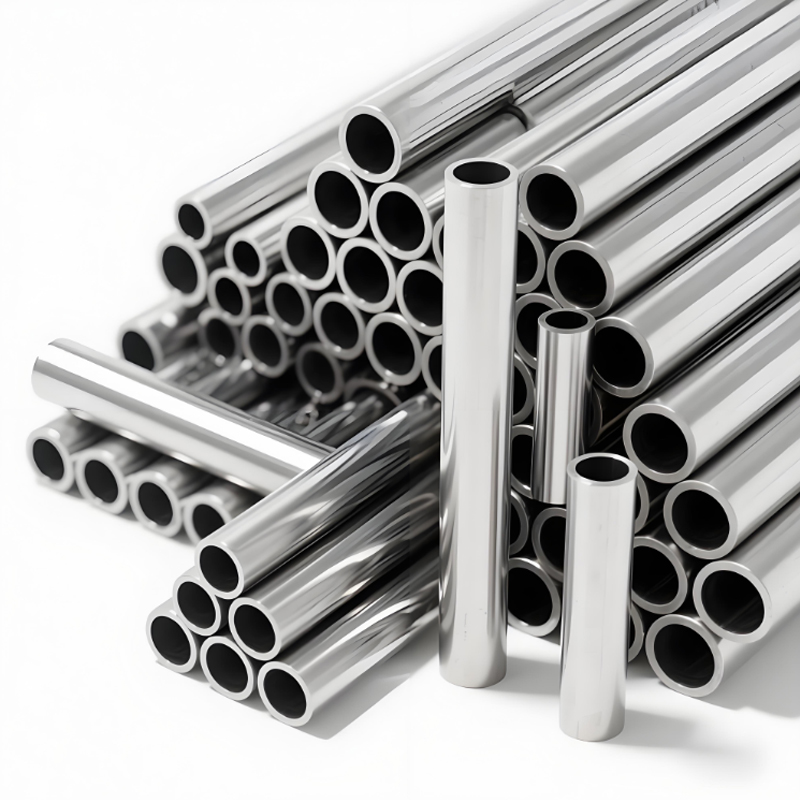
Corrosion is one of the leading causes of damage and failure in pipelines across various industries. To combat this, corrosion-resistant stainless steel pipes have become essential in applications where durability, hygiene, and long-term performance are critical. These pipes combine mechanical strength with superior resistance to rust and chemical degradation, making them a preferred choice in demanding environments.
What Makes Stainless Steel Pipes Corrosion-Resistant?
Stainless steel pipes gain their corrosion resistance from the addition of chromium, typically 10–30%, which forms a protective oxide layer on the surface. This layer prevents oxygen and moisture from penetrating the metal, reducing the risk of rust formation. Many stainless steel grades, such as 304 and 316, also include nickel and molybdenum to enhance resistance to specific chemicals and salty environments.
Key Applications of Corrosion-Resistant Stainless Steel Pipes
1. Chemical and Petrochemical Industry
In chemical processing plants, pipelines often transport acids, alkalis, and other corrosive substances. Stainless steel pipes, especially those with higher grades like 316, resist chemical attack and maintain integrity even in high-temperature operations.
2. Water and Wastewater Systems
Stainless steel is widely used in potable water distribution and wastewater treatment due to its resistance to chlorine and other disinfectants. Its smooth interior reduces sediment buildup, ensuring cleaner water and lower maintenance costs.
3. Food and Beverage Industry
Hygiene is paramount in food processing. Corrosion-resistant stainless steel pipes prevent contamination and are easy to clean, complying with strict sanitary standards in breweries, dairies, and food processing plants.
4. Marine and Offshore Applications
Exposure to saltwater accelerates corrosion in most metals. Stainless steel pipes, particularly duplex grades, provide excellent resistance to pitting and crevice corrosion, making them ideal for marine and offshore pipelines.
Additional reading:What Are the Different Types of Stainless Steel Pipe?
5. Oil and Gas Industry
All You Need to Know About Stainless Steel ERW Welded Tube
Stainless steel pipelines are used in oil and gas refineries to transport crude oil, natural gas, and petroleum products. Their ability to resist sulfide stress cracking ensures safety and reliability in extreme operating conditions.
Advantages of Using Stainless Steel Pipes
Durability: Longer lifespan compared to carbon steel or other metals.
Low Maintenance: Reduced need for painting, coating, or frequent replacement.
Hygienic: Ideal for applications requiring sterile conditions.
Aesthetic Appeal: Smooth, shiny surface suitable for visible installations.
Environmental Resistance: Can withstand high temperatures, acids, and saltwater exposure.
Conclusion
Corrosion-resistant stainless steel pipes are an investment in reliability, safety, and efficiency. Their unique combination of strength, chemical resistance, and longevity makes them indispensable across multiple industries. Choosing the right grade and design ensures optimal performance and minimal maintenance costs, proving that stainless steel is more than just a material—it is a solution for long-term durability and protection against corrosion.