
Benefits Of Touchless Bathroom Faucets
Benefits Of Touchless Bathroom Faucets
Touchless bathroom faucets have revolutionized the way we interact with our bathrooms. Their benefits extend far beyond mere convenience, offering tangible advantages in terms of hygiene, water conservation, and even aesthetics.
Hygiene and Health
The foremost advantage of touchless bathroom faucets lies in their ability to promote better hygiene and health. Traditional faucets, which require manual operation, often become breeding grounds for germs and bacteria. Studies have shown that high-touch surfaces in bathrooms, including faucet handles, harbor a significant amount of harmful microbes. By eliminating the need for physical contact, touchless faucets help reduce the transmission of pathogens and prevent the spread of illnesses such as colds, flu, and gastrointestinal infections.
Furthermore, touchless faucets contribute to improved hand hygiene practices. With traditional faucets, users may touch the handle with dirty hands before washing, leading to potential recontamination. In contrast, touchless faucets activate automatically, ensuring that hands remain clean throughout the entire handwashing process. This feature is particularly beneficial in public restrooms, where large numbers of people congregate and maintaining hygiene is paramount.
Water Conservation
Additional reading:Benefits of Using Anaerobic Digester Tanks
What Is the Tolerance for Slipform Construction?
Types of Geomembrane
How Hydraulic Cargo Lifts Improve Efficiency in Material Handling Operations
How Can Phenolic Thermal Insulation Boards Solve Your Insulation Challenges?
Maximize Efficiency with Hydraulic Freight Lift Solutions!
Are Commercial Metal Buildings the Future of Sustainability?
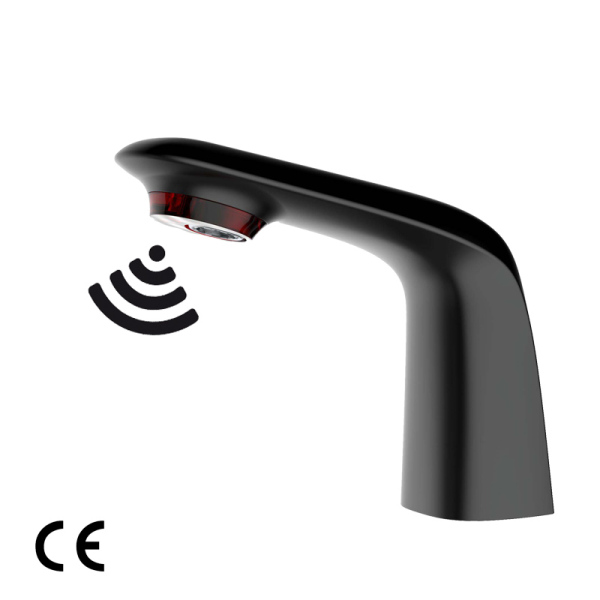
In addition to promoting hygiene, touchless bathroom faucets play a crucial role in water conservation. These faucets are equipped with sensors that detect the presence of hands and activate the flow of water accordingly. Unlike traditional faucets, which may continue running if left open accidentally, touchless faucets automatically shut off after a preset period of inactivity. This feature helps prevent water wastage and encourages responsible water usage.
Studies have demonstrated that touchless faucets can significantly reduce water consumption in both residential and commercial settings. By controlling the flow of water more efficiently and eliminating unnecessary runoff, these faucets contribute to conservation efforts and help mitigate the strain on freshwater resources. Moreover, the integration of touchless technology with low-flow aerators further enhances water efficiency, ensuring that every drop counts.
Aesthetics and Modernization
Beyond their practical benefits, touchless bathroom faucets add a touch of modernity and sophistication to any restroom environment. Their sleek and minimalist design complements contemporary decor styles, enhancing the overall aesthetics of the space. Whether installed in residential bathrooms, commercial facilities, or hospitality venues, touchless faucets exude elegance and reflect a commitment to innovation and sustainability.
Moreover, the adoption of touchless technology aligns with the growing trend towards smart home solutions and eco-friendly practices. As consumers become increasingly conscious of their environmental footprint and seek ways to reduce resource consumption, touchless faucets emerge as a viable and attractive option. Their intuitive operation and seamless integration with automated systems elevate the user experience and contribute to the overall appeal of modern living spaces.
In conclusion, touchless bathroom faucets offer a multitude of benefits that extend far beyond convenience. From promoting hygiene and health to conserving water and enhancing aesthetics, these innovative fixtures represent a significant advancement in bathroom design and functionality. As society continues to prioritize sustainability and wellness, touchless faucets are poised to play a pivotal role in shaping the future of the built environment.
How do you join Aluminium corners?
300 Ton Cooling Tower vs 400 Ton Cooling Tower: A Comprehensive Comparison
Advantages of Ceramic Cylinder Liner
Embracing a Healthier Choice: Formaldehyde-Free Glass Wool Insulation
What are the benefits of film faced plywood?
Rock Wool Composite Board: Essential Trends for 2024
Pedestrian Access Gate vs. Traditional Fence: Which Is Better?
- Previous: Guide to Buying a Concrete Sink
- Next: None