


Folding Container Houses: A Modern Housing Solution for Flexibility and Affordability
A folding container house is a type of prefabricated, modular building constructed from a steel frame that can be folded or collapsed for efficient transport and storage. Once delivered to its site, it can be easily unfolded or expanded into a livable space. These houses offer a flexible, often affordable, and potentially more sustainable housing solution, ideal for temporary living, construction sites, dormitories, emergency shelters, and more, providing durable, weather-resistant structures that are quick to assemble and disassemble.
How Do Folding Container Houses Work?
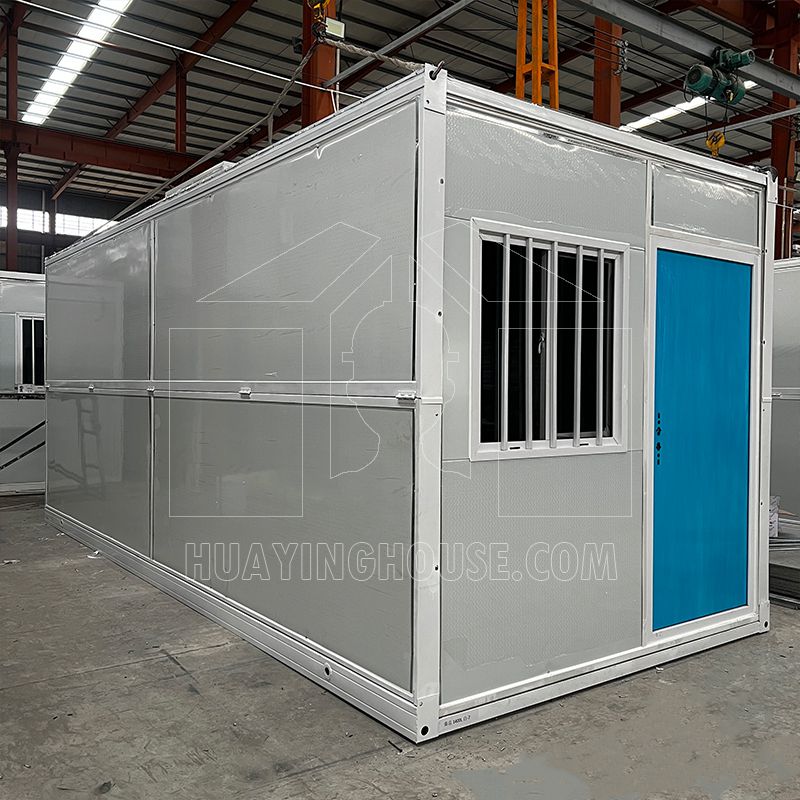
Folding container houses are innovative modular structures designed to be folded flat during transportation and expanded into livable spaces on-site. The main structure is usually made of steel frames and insulated wall panels, which can be unfolded in a matter of hours with minimal labor. Unlike traditional prefabricated houses, folding container houses are highly portable, making them ideal for temporary housing, remote sites, disaster relief shelters, and even vacation cabins.
The folding mechanism works by using hinged connections that allow walls, roofs, and floors to collapse inward, reducing the container’s size for shipping. Once delivered, the house is simply unfolded and secured, instantly creating a functional living or working space.
Benefits of Folding Container Houses
Folding container homes are gaining popularity due to several advantages:
Portability: Easy to transport in a compact form, reducing shipping costs.
Quick Assembly: Can be set up within hours without heavy construction equipment.
Cost-Effective: More affordable compared to traditional housing or modular homes.
Eco-Friendly: Many designs use recycled steel and sustainable materials.
Durability: Built with weather-resistant steel frames suitable for different climates.
Customizable: Available in multiple layouts, sizes, and interior designs.
These benefits make folding container houses a smart choice for both temporary and permanent housing needs.
Folding Container House vs. Traditional Container House
While both folding and traditional container houses are made from steel frames and panels, their usability differs significantly:
Traditional Container Houses: Built from standard shipping containers, they require more on-site modification, welding, and insulation. They are sturdy but less flexible in transport once modified.
Folding Container Houses: Designed with a collapsible structure, they save on transportation costs and can be quickly deployed. However, they may not be as long-lasting as repurposed shipping containers when exposed to extreme conditions over decades.
In short, traditional container houses are better for permanent structures, while folding container houses excel in temporary or mobile applications.
Folding Container House Designs
Folding container houses come in a variety of designs to suit different needs:
Single-Unit Folding Homes: Compact units suitable for individuals or small families.
Expandable Folding Houses: Units that unfold into larger living spaces with multiple rooms.
Luxury Folding Villas: Designed with modern interiors, bathrooms, and kitchens for long-term use.
Camping & Resort Folding Cabins: Simple, lightweight structures ideal for outdoor stays.
Modern designs also include solar panels, off-grid systems, and modular add-ons, making them highly versatile.
Folding Shipping Container Homes Cost
The cost of a folding container home depends on size, materials, and customization. On average:
Basic Folding Units: $4,000 – $8,000
Mid-Range Expandable Homes: $10,000 – $20,000
Luxury Folding Container Villas: $25,000+
Additional costs may include transportation, installation, furniture, and utilities setup. Overall, folding container homes remain one of the most affordable housing solutions compared to traditional construction.
Small Folding Container Homes for Camping
Small folding container houses are especially popular in the camping and outdoor tourism industry. They provide travelers with a durable, weather-resistant, and eco-friendly alternative to tents or wooden cabins. These compact units can be set up in remote areas, offering comfort with basic amenities like electricity, insulation, and even small bathrooms.
Camping businesses, eco-resorts, and adventure parks often use folding container cabins as they can be moved seasonally and require minimal maintenance. For personal use, they are an excellent choice for weekend getaways, tiny homes, or off-grid living.
These houses are prefabricated in a factory and then transported to their destination. One of the key features of these Container House is their ability to be folded, which significantly saves space during shipping.